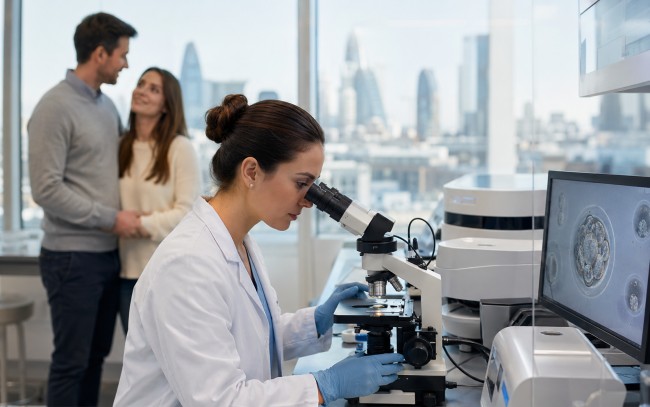
CRGH stands for the Centre for Reproductive and Genetic Health, a private fertility clinic based in central London. Founded in 1990, the centre has more than three decades of experience in fertility medicine, assisted conception and genetic testing. Its main purpose is to help individuals and couples build families through personalised medical care. The centre treats heterosexual couples, same-sex couples and single patients, with treatment plans prepared according to medical history, age, fertility tests and family goals.
The History of CRGH
CRGH was founded by Mr Paul Serhal with the belief that every person should have the best possible chance to create a healthy family. Since its establishment, the clinic has developed a strong reputation for reproductive medicine and genetic treatment. The centre states that it has helped more than 12,000 patients. Its work has included fertility treatment, egg donation, sperm donation, embryo testing and fertility preservation.
A Strong Record in Genetic Medicine
The clinic has played an important role in the development of pre-implantation genetic diagnosis in the United Kingdom. This technique allows embryos to be assessed for specific inherited conditions before transfer. Mr Paul Serhal was involved in pioneering work connected with inherited cancer conditions. His medical achievements include work involving BRCA1-related breast cancer, bowel cancer and retinoblastoma. These developments helped families reduce the risk of passing serious genetic conditions to their children.
CRGH Quick Information
| Category | Details |
|---|---|
| Full name | The Centre for Reproductive and Genetic Health |
| Short name | CRGH |
| Type | Private fertility and genetics clinic |
| Founded | 1990 |
| Founder | Mr Paul Serhal |
| Main location | 230–232 Great Portland Street, London, W1W 5QS |
| Main services | IVF, ICSI, IUI, donor eggs, donor sperm, PGT-A, genetic testing and fertility preservation |
| Website | crgh.co.uk |
| Experience | More than 30 years |
| Patients helped | More than 12,000 |
| HFEA rating | 5 out of 5 |
| CQC rating | Outstanding |
| Current owner group | FutureLife |
| Former second branch | CRGH City, 16 St John Street |
| Main telephone | +44 (0)20 7837 2905 |
Fertility Treatments Offered by CRGH
In Vitro Fertilisation
In vitro fertilisation, commonly known as IVF, is one of the main treatments provided by the centre. During IVF, eggs are collected and fertilised in a laboratory. Suitable embryos may then be transferred to the womb. Treatment can include ovarian stimulation, monitoring scans, egg collection, laboratory fertilisation, embryo culture and embryo transfer. The exact process depends on the patient’s medical needs and response to medication.
ICSI Treatment
Intracytoplasmic sperm injection, or ICSI, is used when sperm-related fertility problems are present. A single sperm is injected directly into an egg in the laboratory. ICSI may be considered when sperm numbers are low, sperm movement is poor, previous fertilisation has failed or surgically collected sperm is required. A consultant decides whether this treatment is medically suitable.
Insemination and Fertility Assessments
The clinic also provides insemination services, fertility assessments and diagnostic testing. These may include semen analysis, ovarian reserve testing, ultrasound scans and investigations of the fallopian tubes. A fertility assessment helps doctors understand the possible cause of infertility. It may also help patients decide whether they need medication, insemination, IVF or another form of treatment.
Genetic Services and Embryo Testing
PGT-A, PGT-M and PGT-SR
CRGH provides genetic testing options for selected patients. PGT-A examines embryos for chromosome number. PGT-M can be used when a family carries a known single-gene condition, while PGT-SR is used for certain chromosome rearrangements. Genetic testing is not required for every IVF patient. It may be considered because of a known inherited condition, repeated pregnancy loss, repeated implantation failure or other medical factors. Patients should receive proper counselling before choosing embryo testing. Testing can add cost, time and emotional pressure, and it cannot guarantee a healthy pregnancy or birth.
Donor Eggs, Donor Sperm and Shared Motherhood
CRGH provides donor-egg and donor-sperm treatment for people who cannot use their own eggs or sperm. Donor treatment may also support same-sex couples and patients with a serious inherited condition. The centre promotes donor-egg treatment with carefully screened donors. It also supports reciprocal IVF, sometimes called shared motherhood, where one partner provides the eggs and the other carries the pregnancy.
UK donor treatment is regulated by the Human Fertilisation and Embryology Authority. Donors receive medical and genetic screening, while donor-conceived people may obtain identifying donor details when they reach the legally permitted age.
Egg, Sperm and Embryo Freezing
Fertility Preservation
The clinic offers egg freezing, sperm freezing and embryo freezing. Fertility preservation may help people delay parenthood because of personal, medical or professional circumstances. Egg freezing involves hormone treatment, monitoring, egg collection and vitrification. Vitrification is a rapid freezing method used to preserve eggs and embryos. The chance of future success depends on age at freezing, the number of eggs stored, egg quality, sperm quality and the condition of the womb at the time of treatment. Freezing does not guarantee a future baby.
CRGH London Locations
The main centre is located at 230–232 Great Portland Street, London, W1W 5QS. It is the flagship clinic and includes consultation areas, treatment rooms, laboratory facilities and patient-support services. CRGH City was previously based at 16 St John Street. From 18 August 2025, patient care was consolidated at Great Portland Street. Consultations, scans, procedures and laboratory treatment are now centred at the main London clinic. Patients with older appointment letters should confirm the correct location before travelling.
Medical Team and Patient Support
The medical team includes fertility consultants, nurses, embryologists, sonographers, counsellors and administrative staff. The centre promotes a team-based approach, with clinical and laboratory professionals working together during treatment.
Mr Wael Saab serves as Senior Medical Director and fertility consultant. His clinical interests include recurrent implantation failure, recurrent miscarriage, male-factor infertility, fertility preservation, donor-egg treatment and genetic testing. CRGH also offers counselling and emotional support. Fertility treatment can be physically tiring, expensive and emotionally difficult, so professional support is an important part of care.
Regulation and Safety Standards
CRGH is licensed by the Human Fertilisation and Embryology Authority, the UK regulator responsible for fertility treatment and embryo research. The HFEA gives the Great Portland Street clinic an inspection rating of 5 out of 5 and shows its licence continuing until 31 March 2030. The clinic also treats private patients and accepts patients from overseas.
The Care Quality Commission gives the centre an overall rating of Outstanding. Its inspection praised patient care, leadership, safety systems, staff training, communication and the use of digital technology. The inspection also identified a minor improvement point involving the daily checking of oxygen cylinders. This demonstrates why patients should review regulatory records rather than rely only on promotional claims.
CRGH Success Rates
The centre publishes success figures for different treatments and age groups. Its published figures include a 56.3% clinical pregnancy rate per embryo transfer for PGT-A treatment across all ages. The centre also reports a 30.2% live-birth rate per embryo transferred for fresh ICSI treatment across all ages. Its donor-egg live-birth rate per embryo transferred is shown as 50% across all ages.
HFEA data for 2023 shows births per embryo transferred, excluding donor eggs and PGT-A, at 42% for all patients, 48% for patients under 38 and 28% for patients aged 38 or above. These figures must be interpreted carefully. A rate per embryo transferred does not show the chance of success per treatment cycle started. Some patients do not reach embryo transfer, so personal results may be lower or higher than the clinic average.
Treatment Costs
The published prices give the following examples:
- IVF Enhanced: £5,790
- IVF Advanced: £7,590
- Two-cycle embryo batching: £14,390
- Three-cycle embryo batching: £21,190
- One egg-freezing cycle: £3,350
- Two egg-freezing cycles: £6,295
- Three egg-freezing cycles: £7,985
- PGT-A testing for up to eight embryos: £4,250
- Annual storage for eggs, sperm or embryos: £425
Medication, extra scans, blood tests, pregnancy monitoring, genetic testing and additional procedures may cost extra. Patients should request a full written quotation before starting treatment.
Ownership and Corporate Structure
CRGH is the clinic brand, while official records use more than one legal company name. The Care Quality Commission identifies The Assisted Conception Unit Limited as the organisation providing and running the Great Portland Street service.
Companies House records also connect The Assisted Conception Unit Limited with CRGH Limited. A separate company named The Centre for Reproductive and Genetic Health Limited is recorded as dormant. In 2022, CRGH was acquired by FutureLife, a European IVF and genetics group. The acquisition placed CRGH within a wider fertility network while retaining its London identity and clinical services.
Final Assessment
CRGH is an established London fertility centre with a long history in IVF, donor treatment, embryo testing and reproductive genetics. Its strongest features include HFEA licensing, a 5/5 HFEA inspection rating, an Outstanding CQC rating and a broad range of treatment options. Its published success rates are encouraging, but they should not be treated as a personal guarantee. Costs can rise when medication, testing, storage or extra procedures are added. Anyone considering treatment should compare personalised success estimates, total costs, age limits, medical eligibility, treatment timelines and aftercare before making a final decision.
Also Read